.png&w=128&q=75)


How Long Should My Car Battery Last?
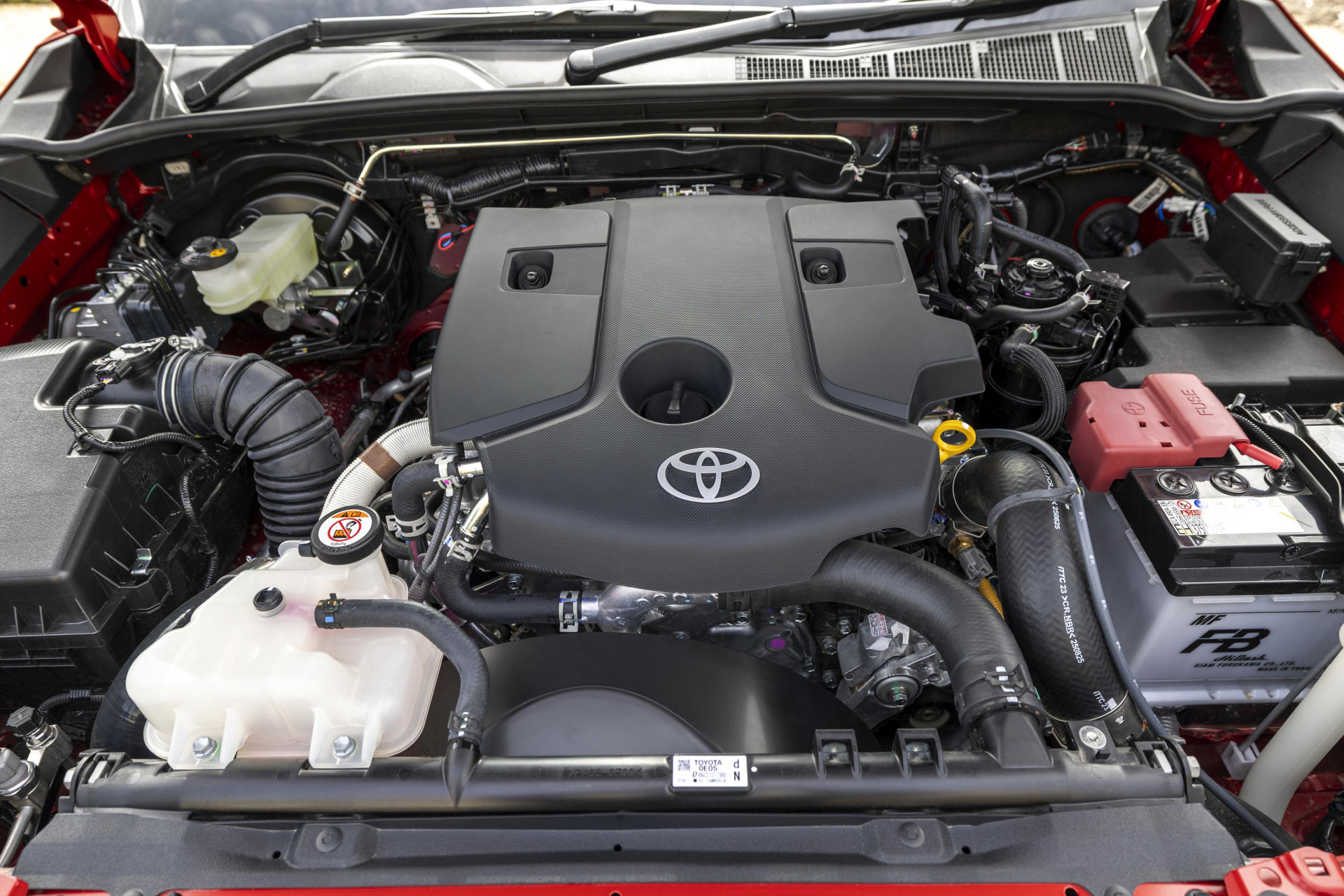
Petrol vs Diesel vs Hybrid vs EV Explained
Car batteries are one of those things most drivers don’t think about — until the car won’t start. Whether you drive a petrol hatchback, a diesel ute, a hybrid SUV, or you’re considering an electric vehicle, understanding how long a battery should last can save you time, money, and stress.
The short answer?
There is none - Batteries can test fine one day but fail the next. It depends on the type of vehicle you drive and how you use it.
Let’s break it down.
Petrol Car Batteries
In a typical petrol vehicle, the battery’s main job is to start the engine and power electrical systems when the engine isn’t running.
On average, a petrol car battery lasts between 2 and 5 years.
Several factors can shorten or extend this lifespan. Frequent short trips don’t give the battery enough time to fully recharge, while extreme heat — common in many parts of Australia — can also reduce battery life. Leaving lights, accessories, or infotainment systems running when the engine is off can place additional strain on the battery.
If your petrol vehicle is slow to start, dashboard lights dim, or warning messages appear, the battery may be nearing the end of its life.
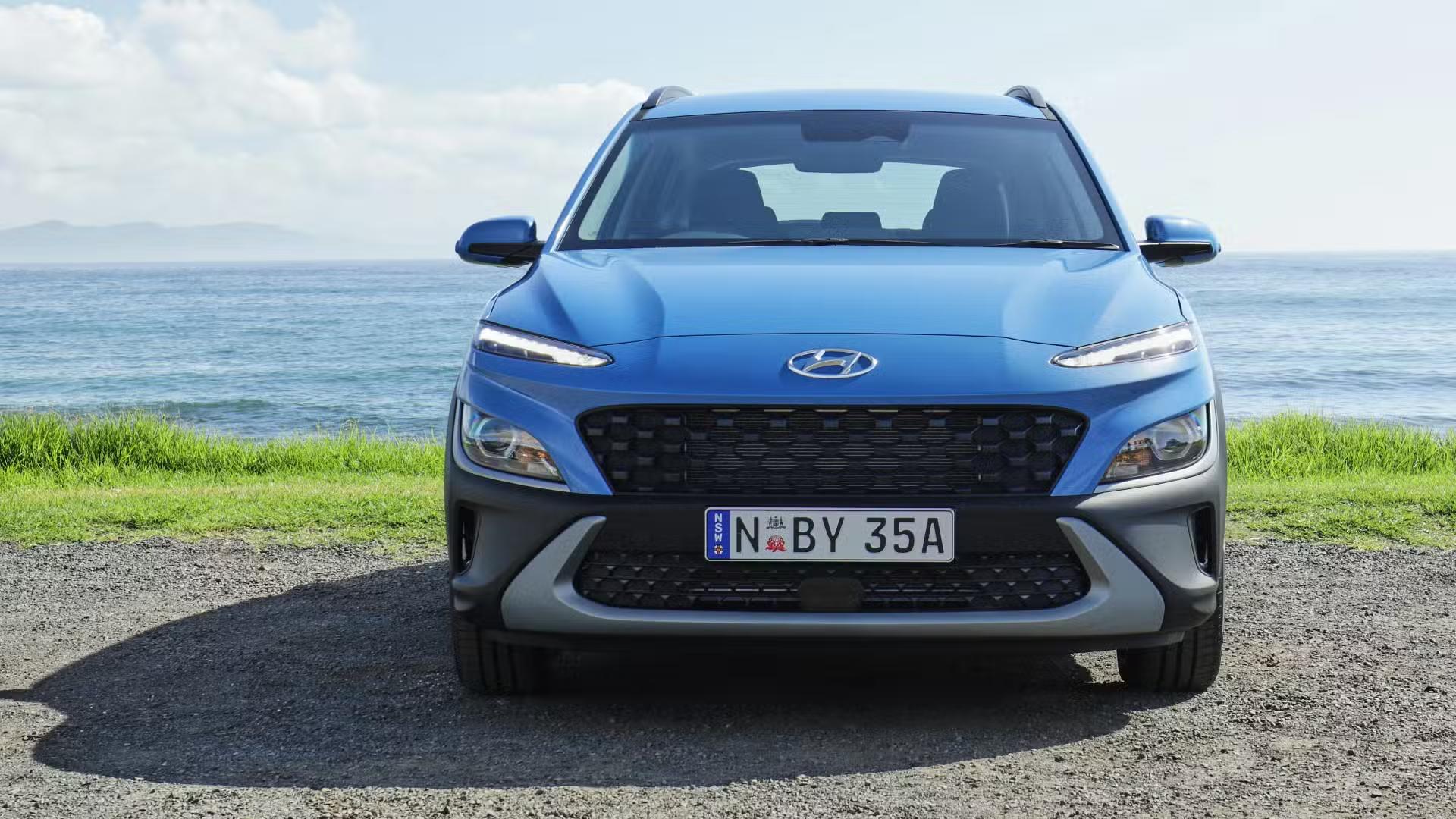
Diesel Car Batteries: Often Shorter Lifespan
Diesel vehicles generally require more power to start than petrol vehicles, particularly in larger SUVs and utes.
Because of this, diesel batteries are generally of a larger capacity and often last around 2 to 4 years.
Diesel engines rely on higher compression and glow plugs, which place additional demand on the battery during startup. Vehicles used for towing, heavy loads, or worksite duties may also experience increased battery wear.
Regular testing is especially important for diesel vehicles, as battery failure often happens suddenly rather than gradually.
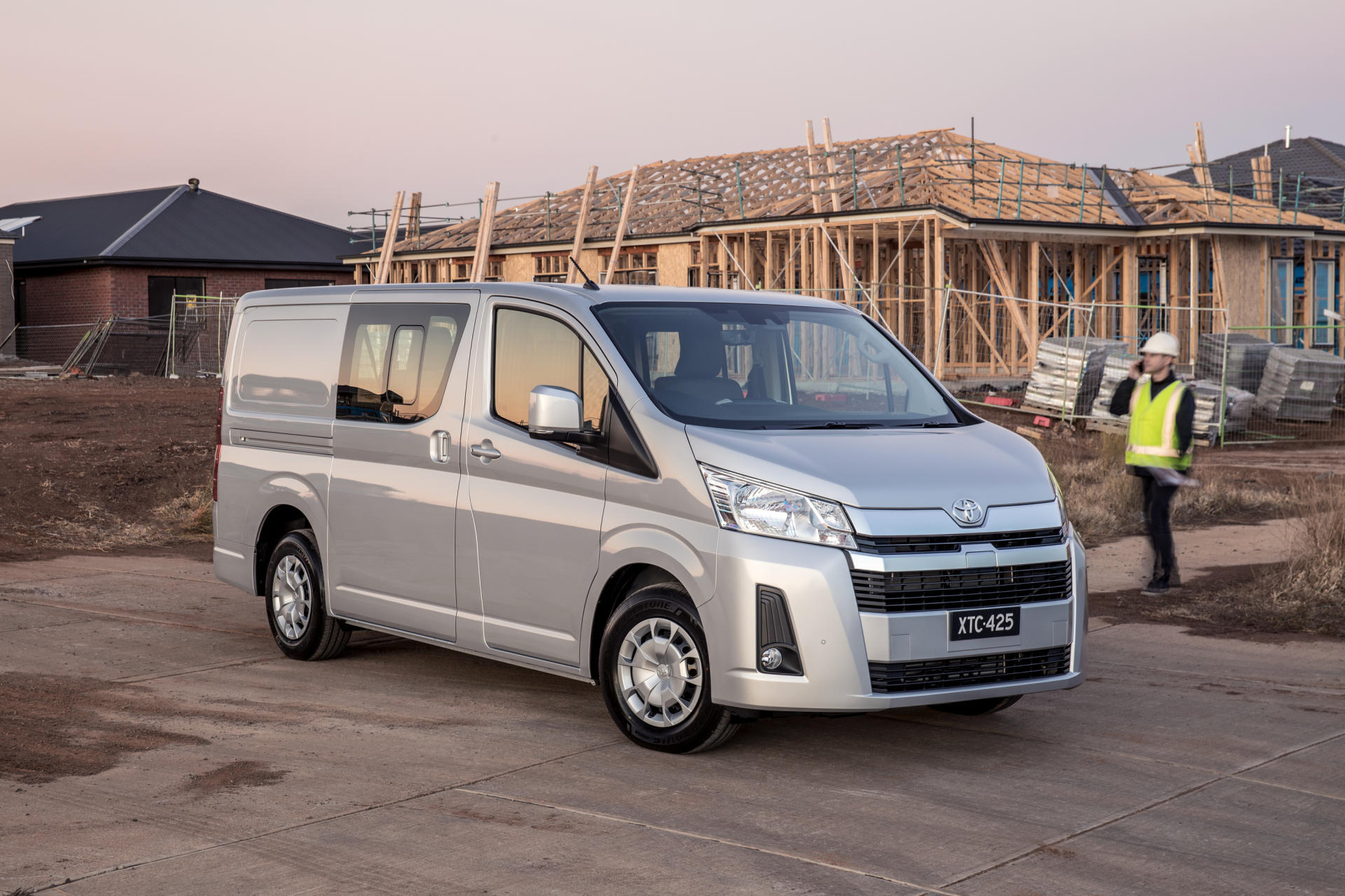
Hybrid Vehicles: Two Batteries, Two Different Lifespans
Hybrid vehicles use two separate battery systems, and it’s important to understand the difference.
12V Auxiliary Battery
Like petrol and diesel vehicles, hybrids still have a traditional 12-volt battery. This battery powers electronics, lights, and vehicle startup systems.
The 12V battery in a hybrid typically lasts 2 to 5 years, similar to a conventional car.
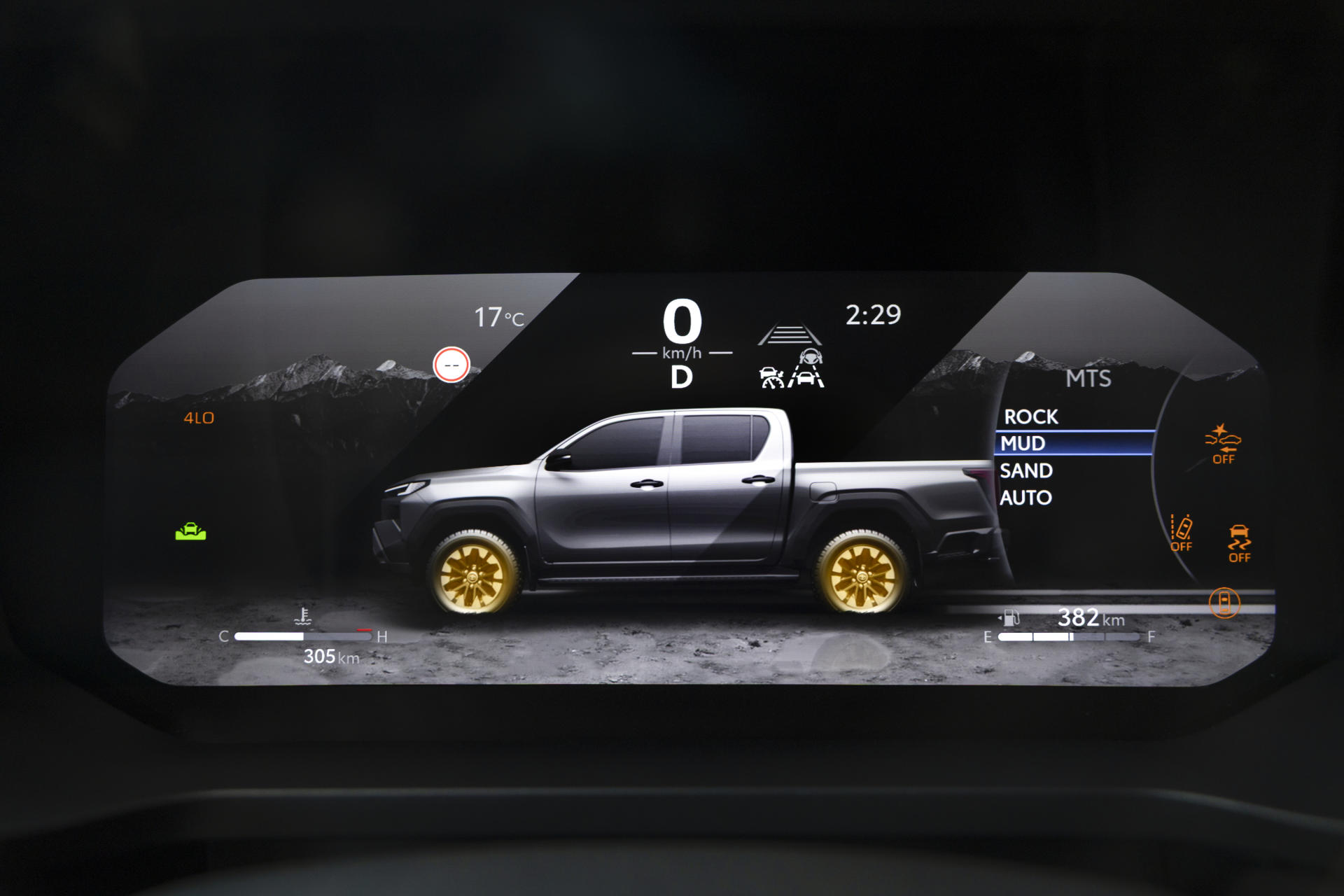
Hybrid Battery Pack
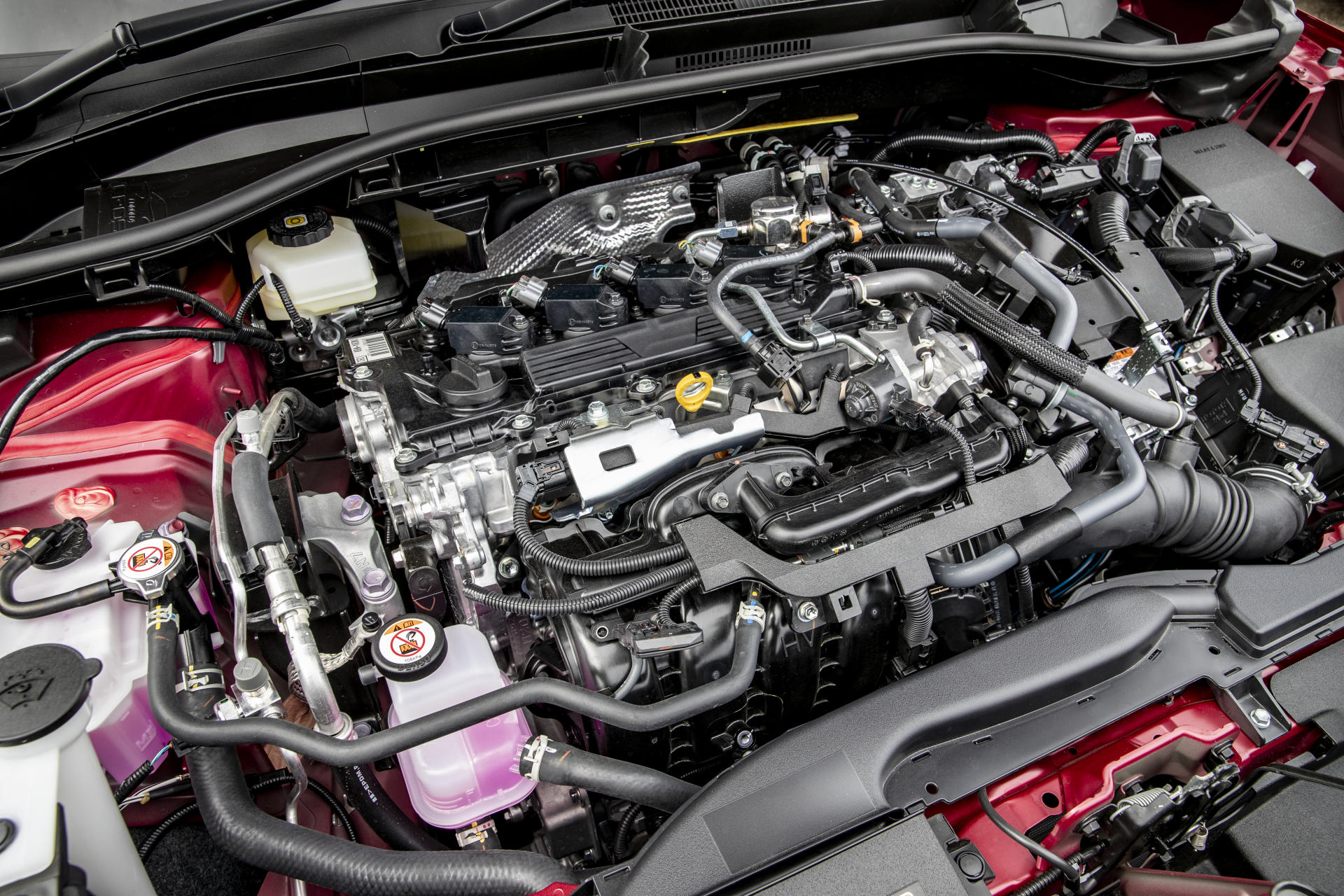
The hybrid (or, as Toyota refers to them, Traction) Battery (used to assist propulsion and improve fuel efficiency) is a completely different system.
Toyota hybrid/traction batteries are designed to last many years, often 10+ years, depending on use and conditions. They are actively monitored, temperature-controlled, and managed by the vehicle’s systems to maximise lifespan.
Hybrid/Traction batteries also come with manufacturer warranty coverage, adding peace of mind for owners.
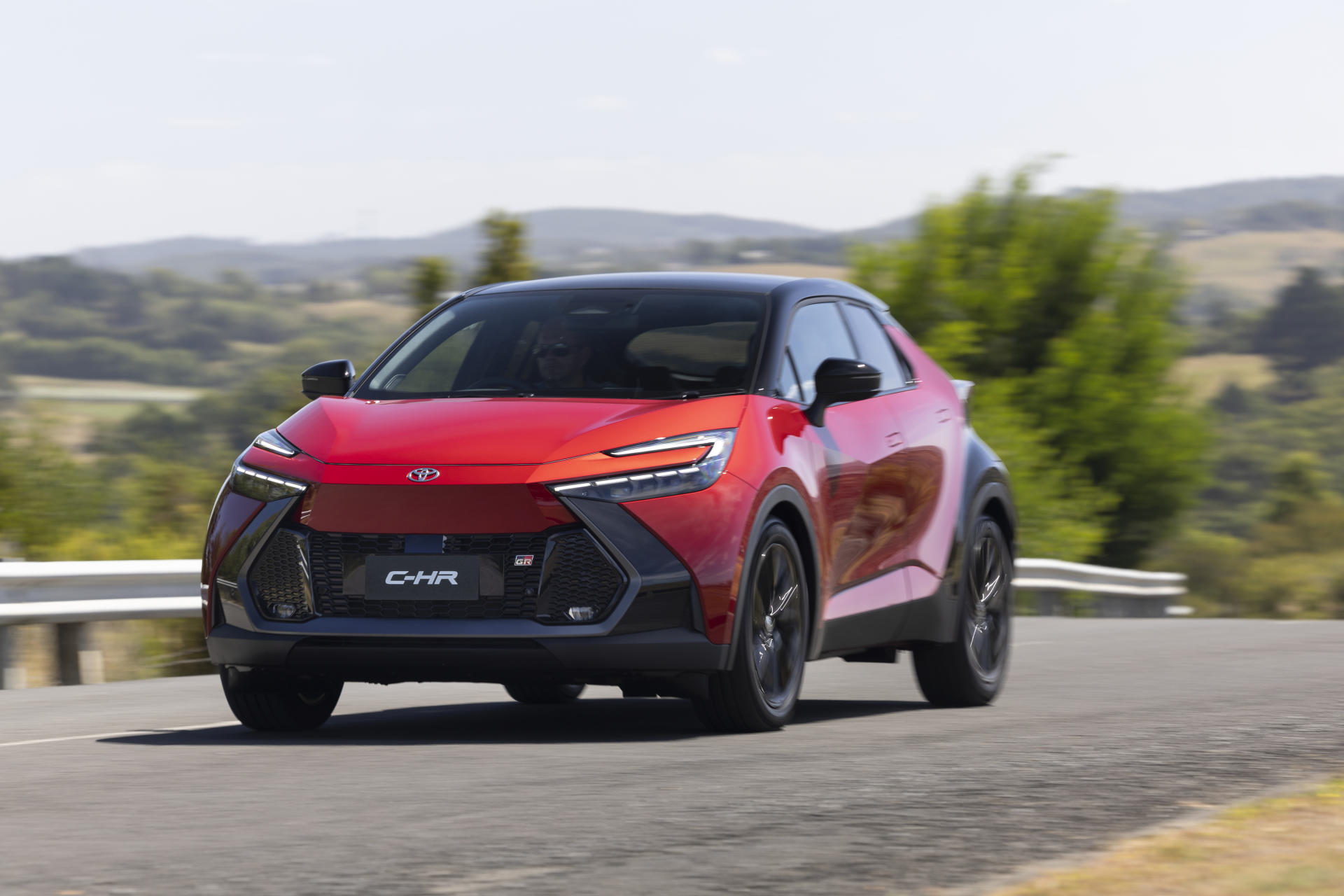
Electric Vehicles (EVs): Long-Term Battery Design
In electric vehicles, the battery is the heart of the car. EV batteries are large, sophisticated systems designed for longevity rather than short-term use.
Most EV batteries are expected to last 10 to 20 years, depending on driving habits, charging patterns, and environmental conditions.
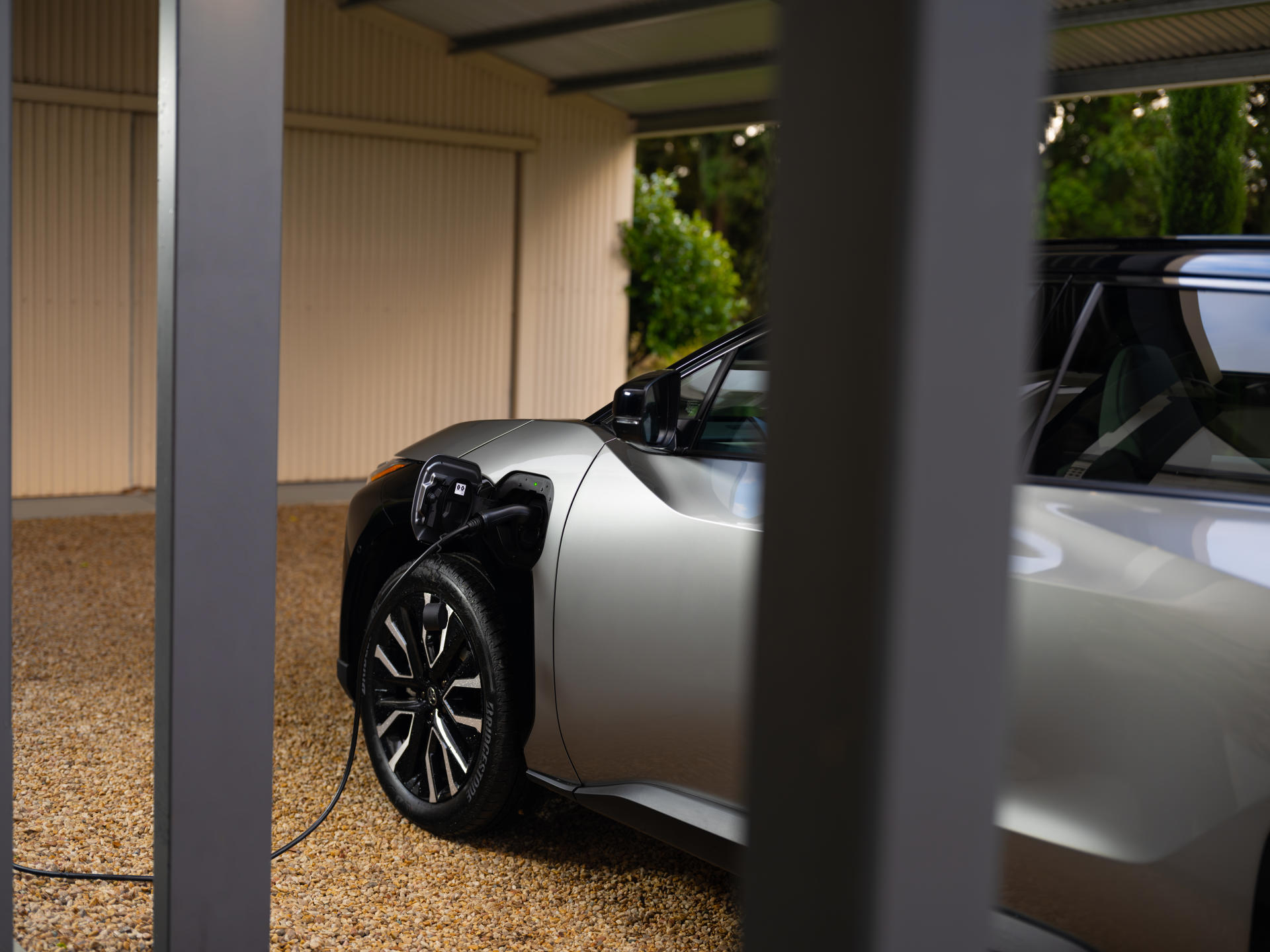
Unlike traditional batteries, EV batteries don’t usually fail suddenly.
Manufacturers design EV batteries with protective systems to manage heat, charging speed, and energy flow, which helps extend usable life.
What Shortens Battery Life Across All Vehicles?
Regardless of vehicle type, several factors affect battery lifespan:
- High temperatures, especially prolonged heat exposure
- Frequent short trips with limited recharge time
- Long periods of inactivity
- Heavy electrical use (accessories, chargers, infotainment)
Understanding these factors can help you adjust habits to get more life out of your battery.
How Can You Make Your Battery Last Longer?
There are simple steps that can help extend battery life:
Drive regularly and avoid long periods without use Turn off lights and accessories when parked Have your battery tested during routine servicing Keep terminals clean and secure Follow manufacturer charging recommendations for hybrids and EVs
Regular battery health checks are especially important as vehicles become more technologically advanced.

When Should You Get Your Battery Checked?
As a general rule, it’s a good idea to have your battery tested:
- Once it reaches three years of age
- Before long road trips Before extreme weather seasons If warning lights or slow starts appear
- Battery testing is quick and can often prevent unexpected breakdowns.
Final Thoughts: Not All Batteries Are the Same
The question “how long should my car battery last?” doesn’t have a one-size-fits-all answer. Petrol and diesel vehicles rely on traditional batteries with shorter lifespans, while hybrid and electric vehicles use advanced battery systems designed for long-term durability.
Understanding what type of battery your vehicle uses — and how it’s designed to perform — puts you in control as an owner.
If you’re unsure about your battery’s condition, or you’d like advice specific to your vehicle type, the team at Pacific Toyota can help with battery checks, servicing, and expert guidance.
Because when your battery is healthy, everything else runs smoother.
Want to Get Your Battery Health Checked?
If your vehicle is slow to start, showing warning lights, or approaching the three-year mark, a battery health check can help prevent unexpected issues before they happen.
At Pacific Toyota, our trained technicians can assess your battery’s condition and provide clear advice on its performance, remaining life, and whether replacement may be needed — across petrol, diesel, hybrid, and eligible electric vehicles.
If you’d like peace of mind before your next trip or simply want to stay ahead of maintenance, we’re here to help.
Complete the enquiry form below, and our team will be in touch to arrange a battery health check at a time that suits you.
Enquiry Form
More Blogs For You


← Swipe →