.png&w=128&q=75)


Is the Oil Shortage a sign to get an EV?
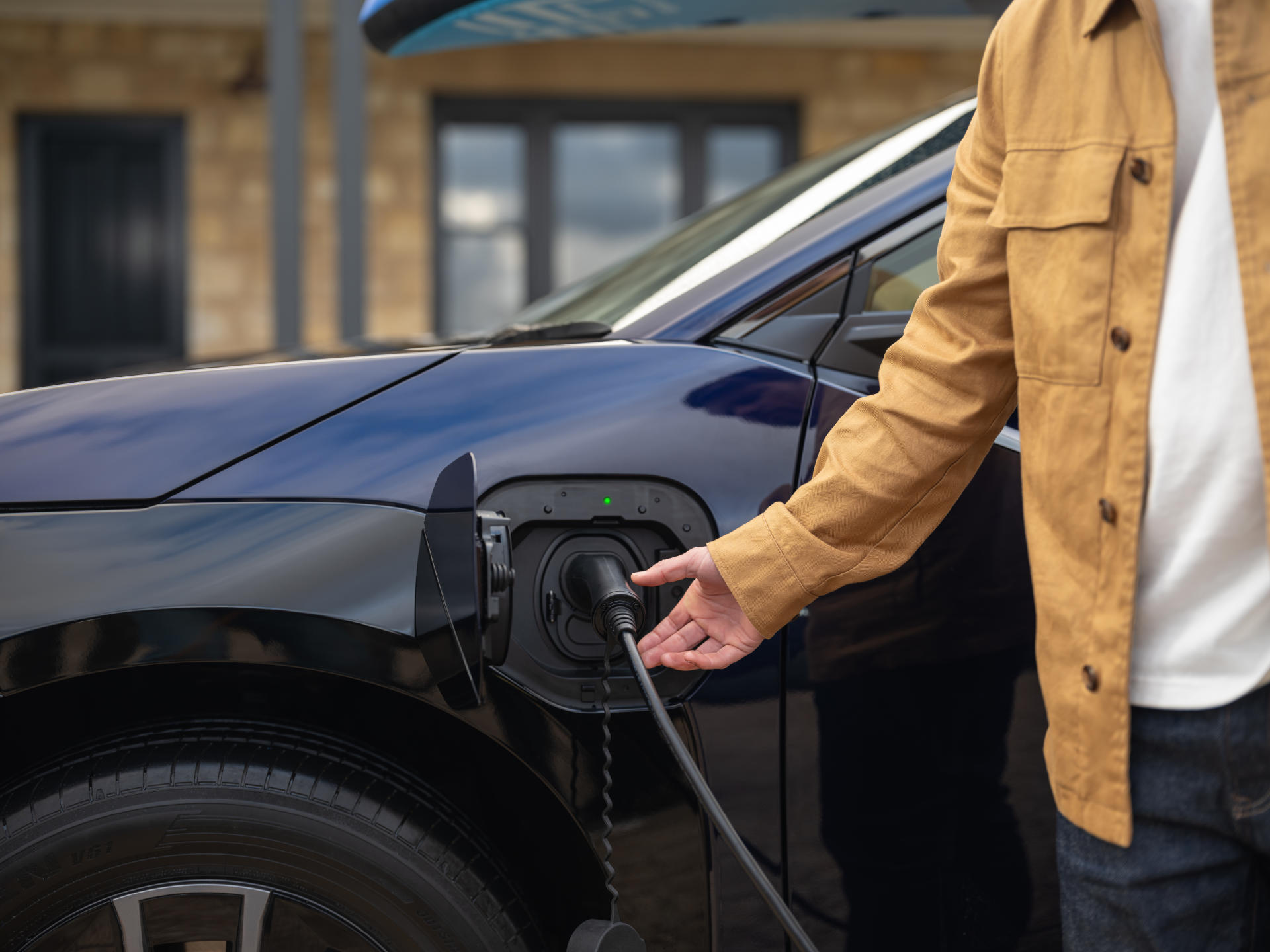
Fuel prices and oil supply concerns have been making headlines across Australia, prompting many drivers to ask an important question: is the oil shortage a sign that it’s time to explore an electric vehicle?
While petrol and diesel are not disappearing overnight, Australia’s heavy reliance on imported fuel has highlighted how vulnerable traditional fuel supply can be. At the same time, electric vehicles are becoming more capable, more affordable, and better suited to Australian conditions than ever before.
Why Oil Supply Has Become a Talking Point in Australia
Australia imports the vast majority of its refined petrol and diesel. This means global events such as geopolitical tension, shipping disruptions, and refinery closures overseas can directly impact fuel availability and pricing here at home.
For everyday drivers, this rarely shows up as empty service stations, but it does show up as price volatility. Fuel prices can rise quickly and unpredictably, making household budgets harder to manage and long‑term running costs more uncertain.
This growing awareness has many Australians looking at alternatives that offer more stability and control.

What This Means for Everyday Drivers
For most motorists, fuel insecurity shows up in two main ways:
- Unpredictable fuel prices that make budgeting difficult
- Dependence on global oil supply chains outside Australia’s control
When fuel prices rise, there is little flexibility beyond driving less or absorbing the cost. That lack of control is one of the key reasons electric vehicles are now part of the broader conversation.
Why Electric Vehicles Are Part of the Conversation
Electric vehicles operate independently of petrol and diesel supply chains. Instead of relying on imported fuel, EVs can be charged using Australia’s electricity network, including energy generated at home.
This reduces exposure to global oil price fluctuations and provides more predictable running costs. For many drivers, charging at home quickly becomes more convenient than visiting a service station.
As charging infrastructure continues to expand across Australia, EV ownership is becoming increasingly practical, even beyond major capital cities.
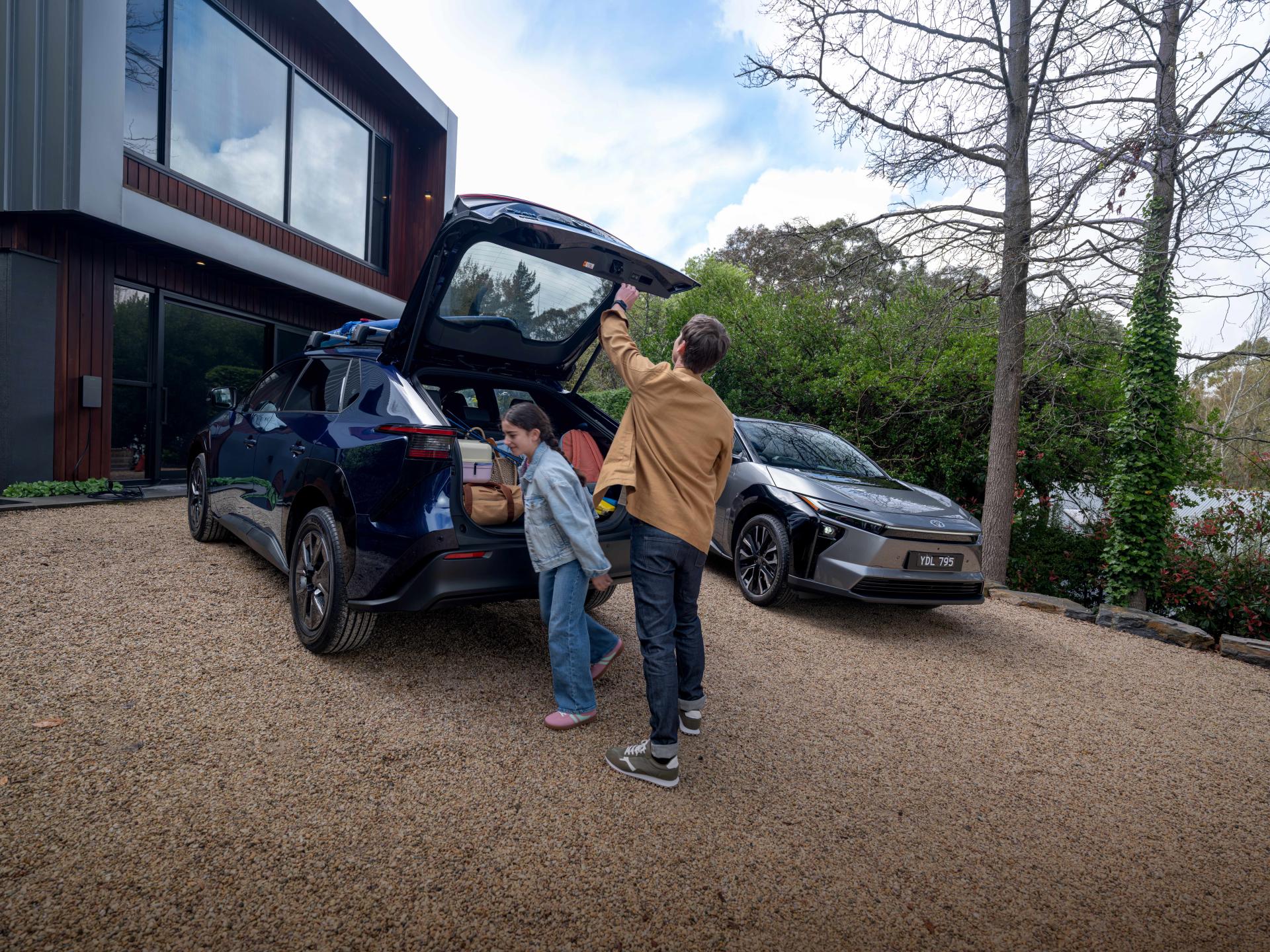
Australian EVs Are Leading the Change, Including the Toyota bZ4X
Electric vehicles are no longer something Australians only see overseas. Models designed specifically for the Australian market are now available, offering a level of trust and suitability that early EV adopters often questioned.
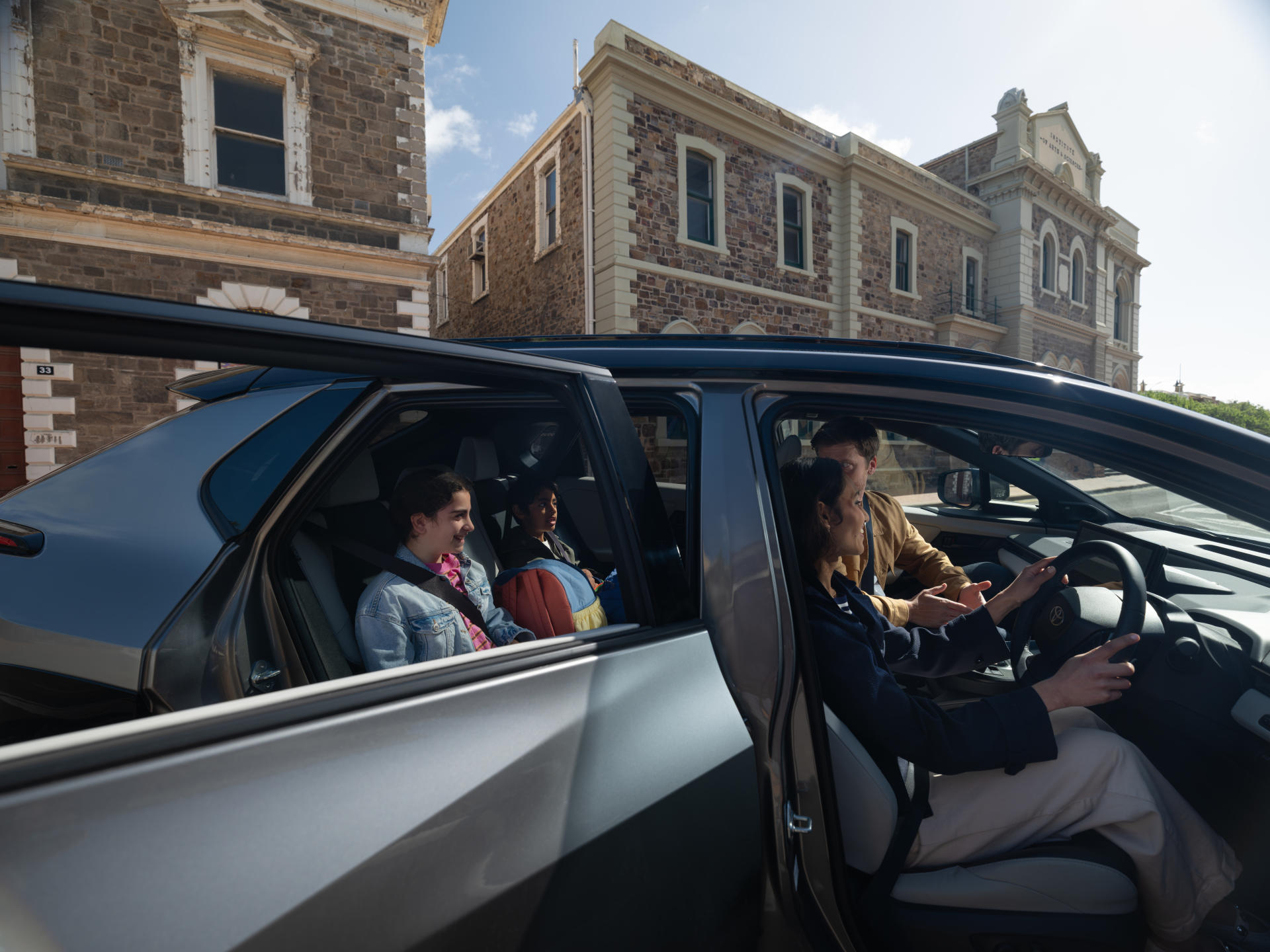
A strong example of this is the Toyota bZ4X. As Toyota’s first fully electric SUV in Australia, the bZ4X reflects a cautious, reliability‑focused approach to electrification. Rather than chasing trends, Toyota has applied the same long‑term engineering principles Australians already trust in its petrol and hybrid vehicles.
For drivers who may feel uncertain about EVs, especially in regional or warmer parts of the country, Australian‑delivered EVs like the bZ4X help bridge that gap. They are engineered with local conditions in mind, offering familiar SUV practicality, predictable ownership costs, and the reassurance of a brand Australians already rely on.
This shift shows that EVs are no longer niche or experimental. They are becoming a mainstream option backed by manufacturers with proven local experience.
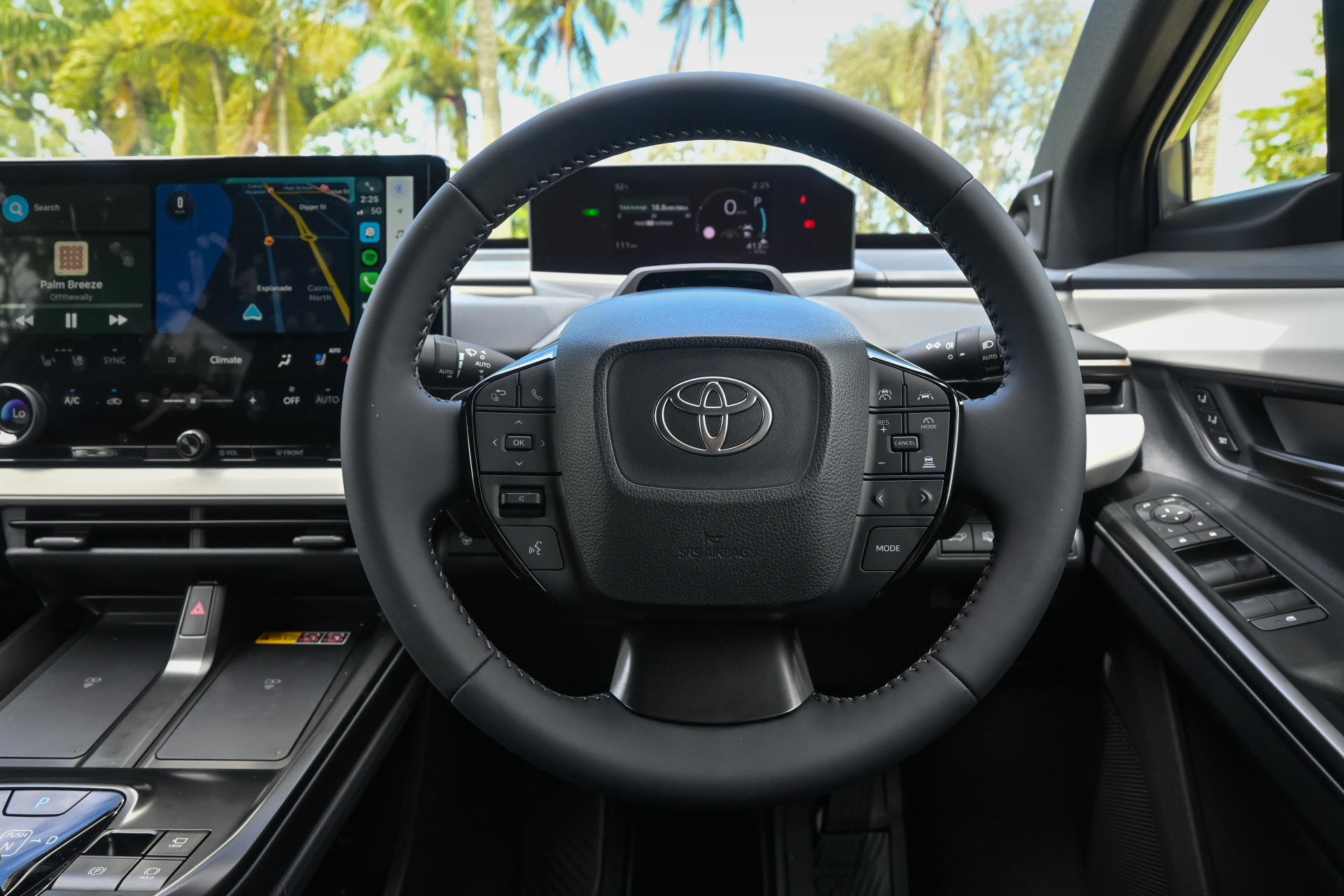
Paying Even Less by Charging at Home
One of the biggest advantages of owning an electric vehicle is the ability to control how and where you “fuel” it. For households with rooftop solar, the savings can be even greater.
Instead of relying on imported petrol, EV owners can charge their vehicle using electricity generated at home. When paired with solar, this can significantly reduce running costs and increase energy independence.
If your solar system already exports excess electricity during the day, that energy can be redirected into charging your EV rather than being sent back to the grid for a low feed‑in tariff. In simple terms, sunlight becomes kilometres driven.
Over time, this can dramatically reduce the cost per kilometre compared to petrol.
Charging Options at Home: Simple and Flexible
Charging an EV at home is more straightforward than many people expect.
Standard Wall Power Point Charging
Every EV includes a portable charging cable that plugs into a standard household power point. While slower, this method works well for overnight charging and suits drivers with predictable daily travel.
Dedicated Garage EV Chargers
Installing a dedicated EV charger in your garage allows for faster and more convenient charging. These chargers are designed for electric vehicles and can fully recharge most EVs overnight.
Many modern chargers can also integrate with solar systems, prioritising solar energy when available and topping up from the grid only when needed.
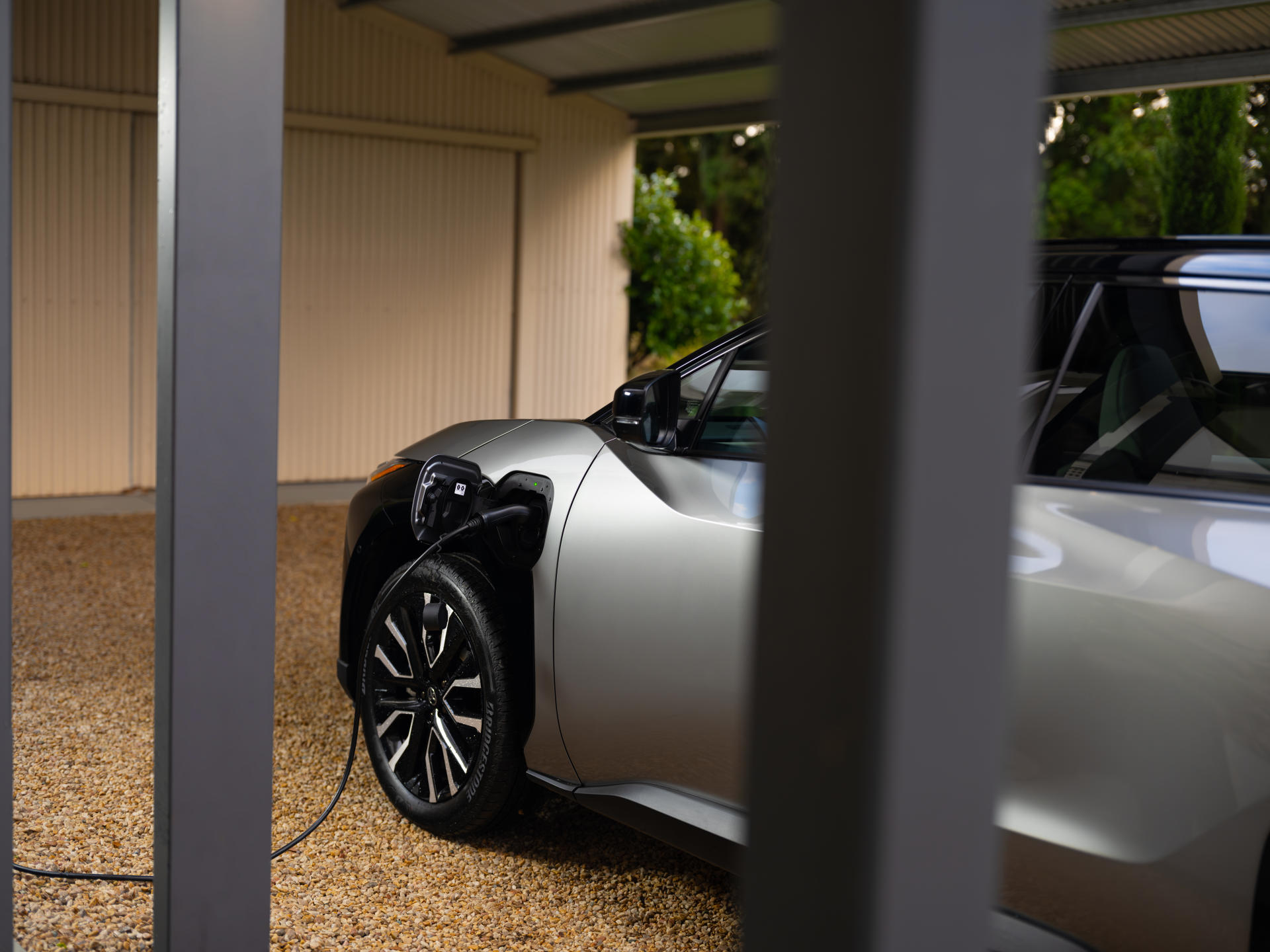
EV Ownership Reduces Reliance on Oil
Choosing an EV does more than change how a vehicle is powered. It reduces reliance on imported fuel altogether.
Instead of being tied to service stations and global oil supply chains, EV owners can choose when and how they charge, whether that’s overnight on off‑peak electricity, during the day using solar, or a combination of both.
This flexibility gives drivers more control and helps insulate households from fuel price shocks.
Is Now the Right Time to Explore an EV?
The oil shortage conversation does not mean petrol vehicles are suddenly obsolete. However, it does highlight a broader shift in how Australians think about energy security, cost stability, and long‑term transport options.
Electric vehicles are no longer a future concept. With Australian‑market EVs like the Toyota bZ4X now available, drivers can explore electric ownership with greater confidence, practicality, and support than ever before.
Final Thoughts
The oil shortage conversation is not about panic. It is about awareness.
Australia’s reliance on imported fuel has highlighted the value of alternatives that offer greater control and stability. Electric vehicles, particularly those designed for Australian conditions, provide a practical response to this changing landscape.
Exploring an EV does not mean abandoning everything you know about driving. It simply means considering a smarter way forward, one that aligns with how Australia’s energy and transport future is evolving.
Enquiry Form
More Blogs For You


← Swipe →