.png&w=128&q=75)


What are GVM and GCM?
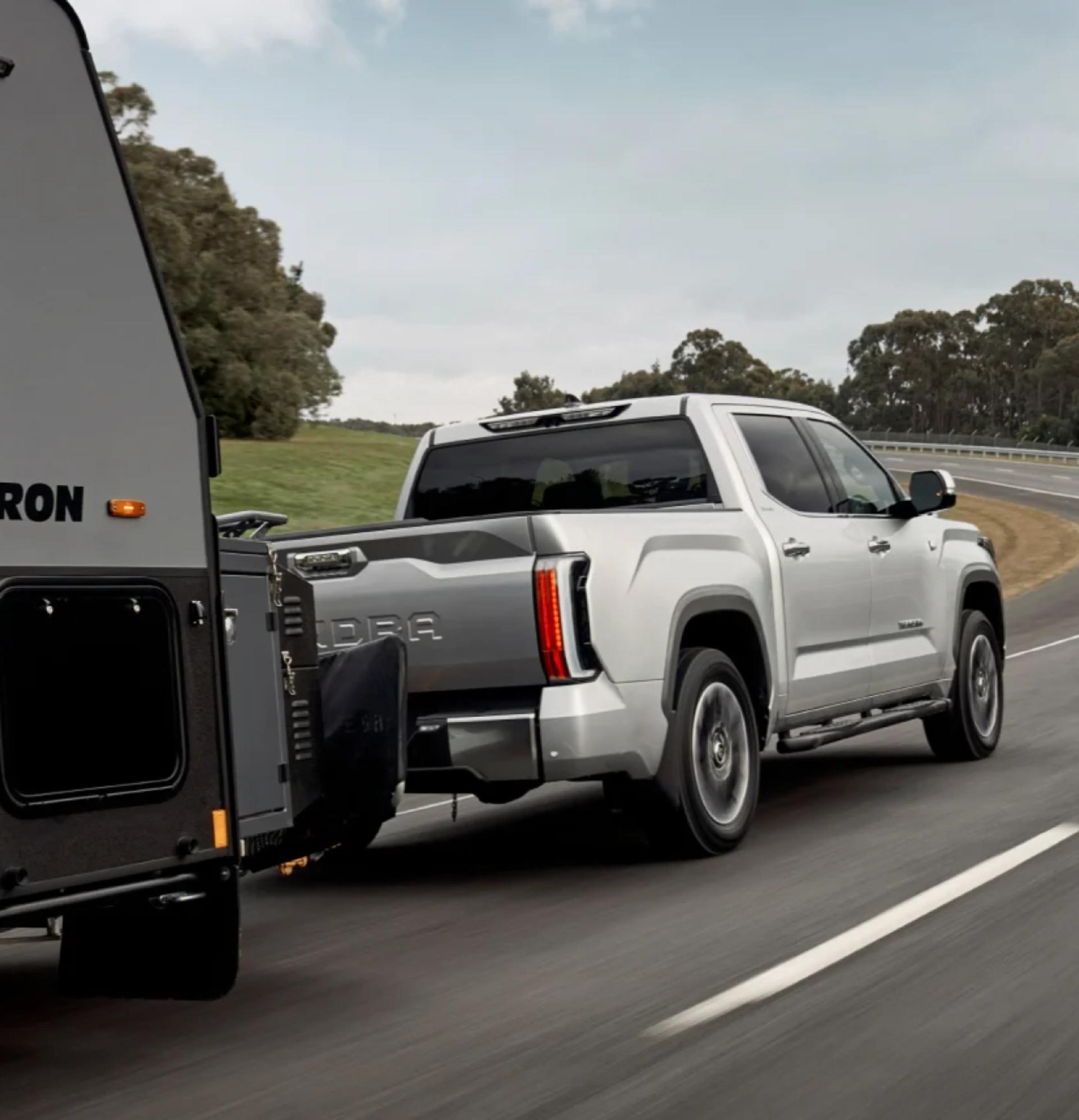
Towing a caravan, boat, or trailer is an Aussie rite of passage, but it starts with understanding the two most important numbers on your vehicle's spec sheet.
If you’ve just picked up the keys to a new 4WD, the open road is calling, but before you hit the Bruce Highway, you need to know your weight limits.
Whether it’s a shiny new HiLux or a kitted-out LandCruiser, getting these numbers right is the difference between a safe family holiday and a dangerous (and expensive) mistake.
At Pacific Toyota, we want to make sure you’re "weight-wise" before you leave Cairns.
What is GVM? (Gross Vehicle Mass)
The "On-the-Back" Weight
GVM is the maximum legal weight of your vehicle when it is fully loaded. Think of it as a limit on the car itself. Every vehicle has a GVM rating set by the manufacturer—you can usually find this on the silver "compliance plate" inside the driver’s door frame.
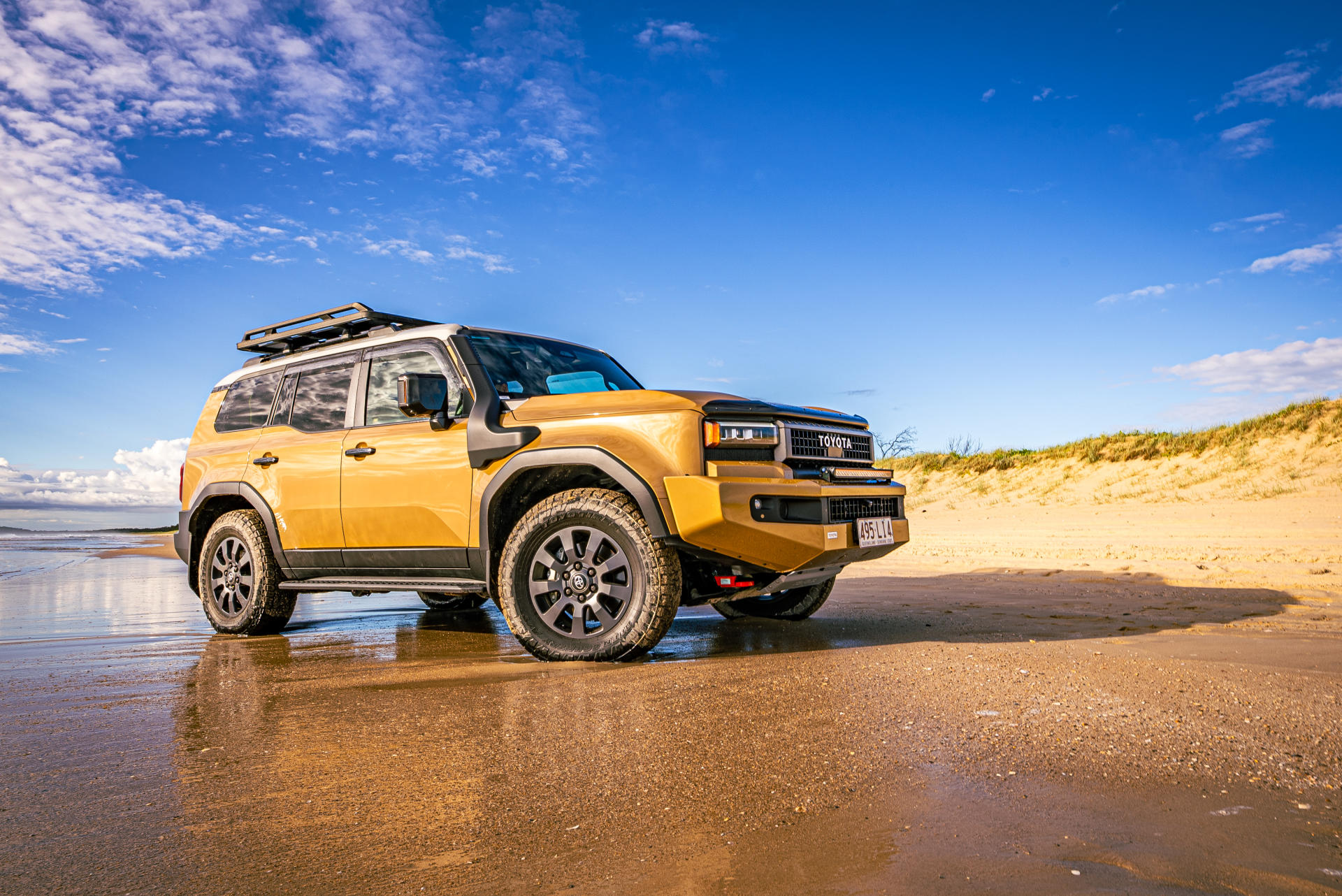
What counts towards your GVM? A common mistake for beginners is thinking GVM is just the weight of the car.
It actually includes:
- The Kerb Mass: The weight of the car with a full tank of fuel.
- The "Payload": This is you, your passengers, and your luggage.
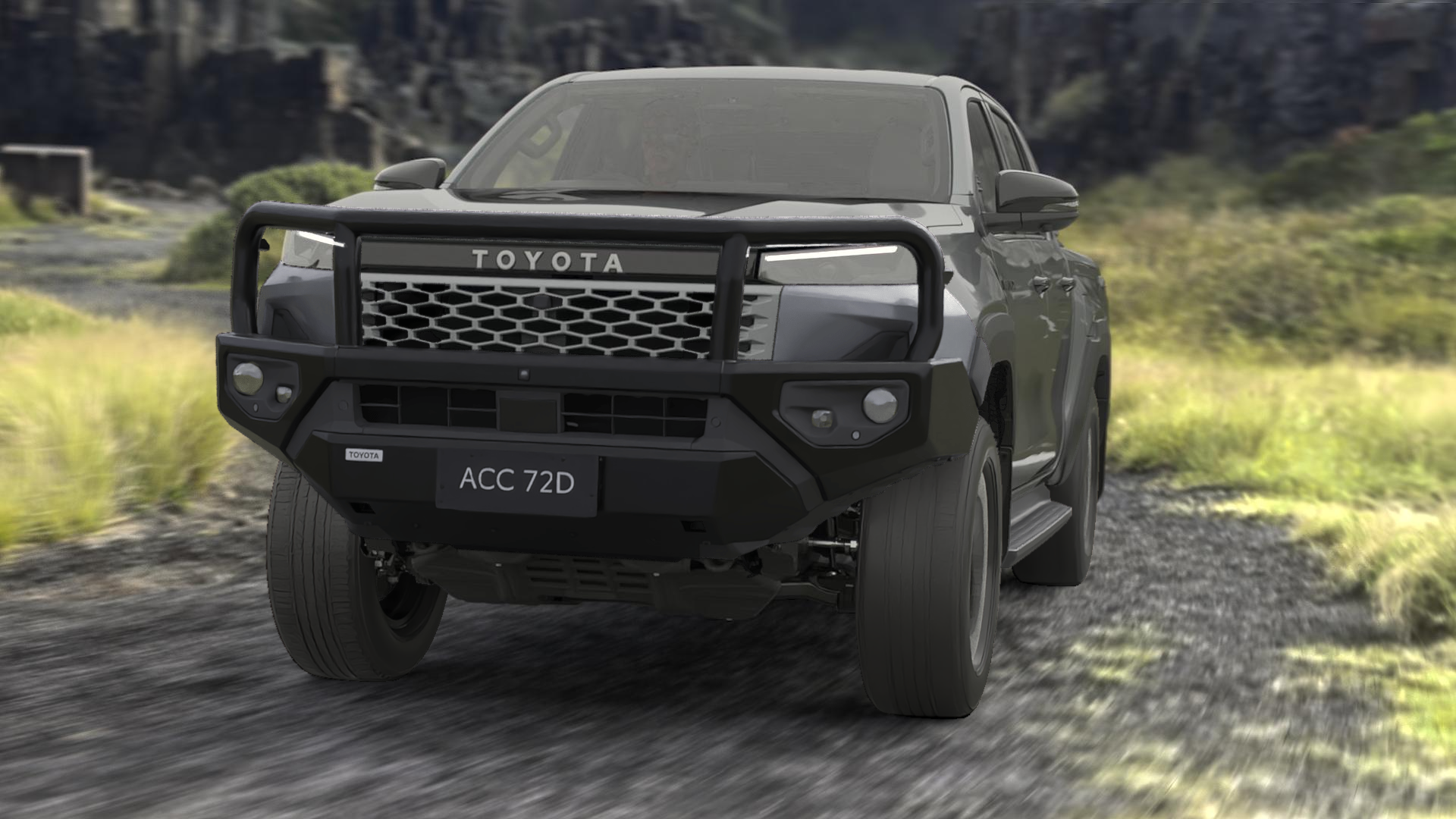
- Accessories: Bull bars, winches, roof racks, and even those heavy-duty floor mats.
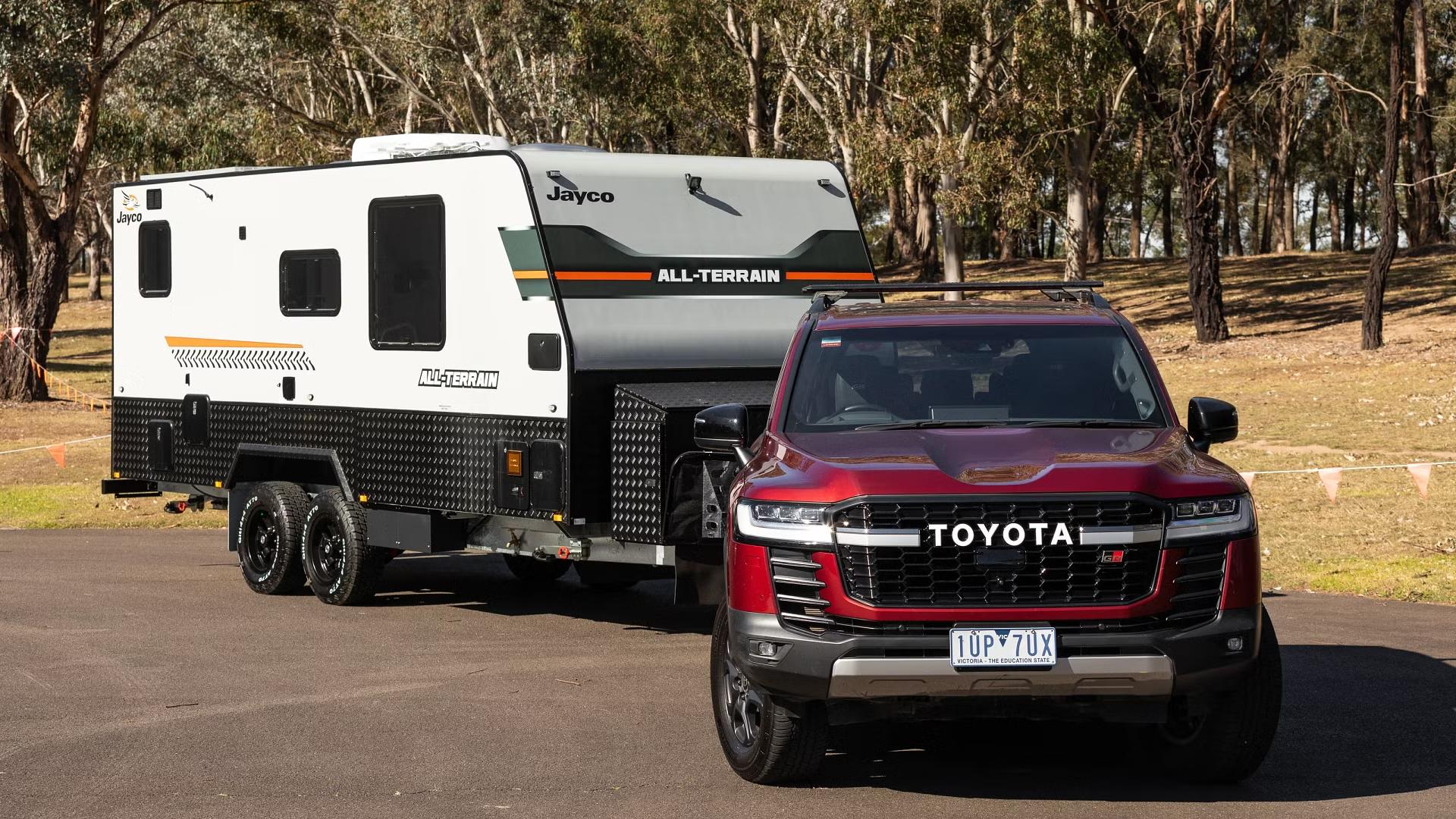
- Tow Ball Weight: This is the big "hidden" factor. When you hitch up a trailer, the weight it presses down on the tow bar counts as weight inside your car.
Pacific Toyota Tip: If you’ve added a steel bull bar and a canopy to your HiLux, you’ve already used up a good chunk of your GVM before you’ve even packed a suitcase!
What is GCM? (Gross Combined Mass)
The "Total Package" Weight
GCM is the maximum allowable weight of your entire rig. That means your car and your trailer added together.
Imagine driving your car and your trailer onto a giant weighbridge at the same time. The total number on the screen must not exceed the GCM.
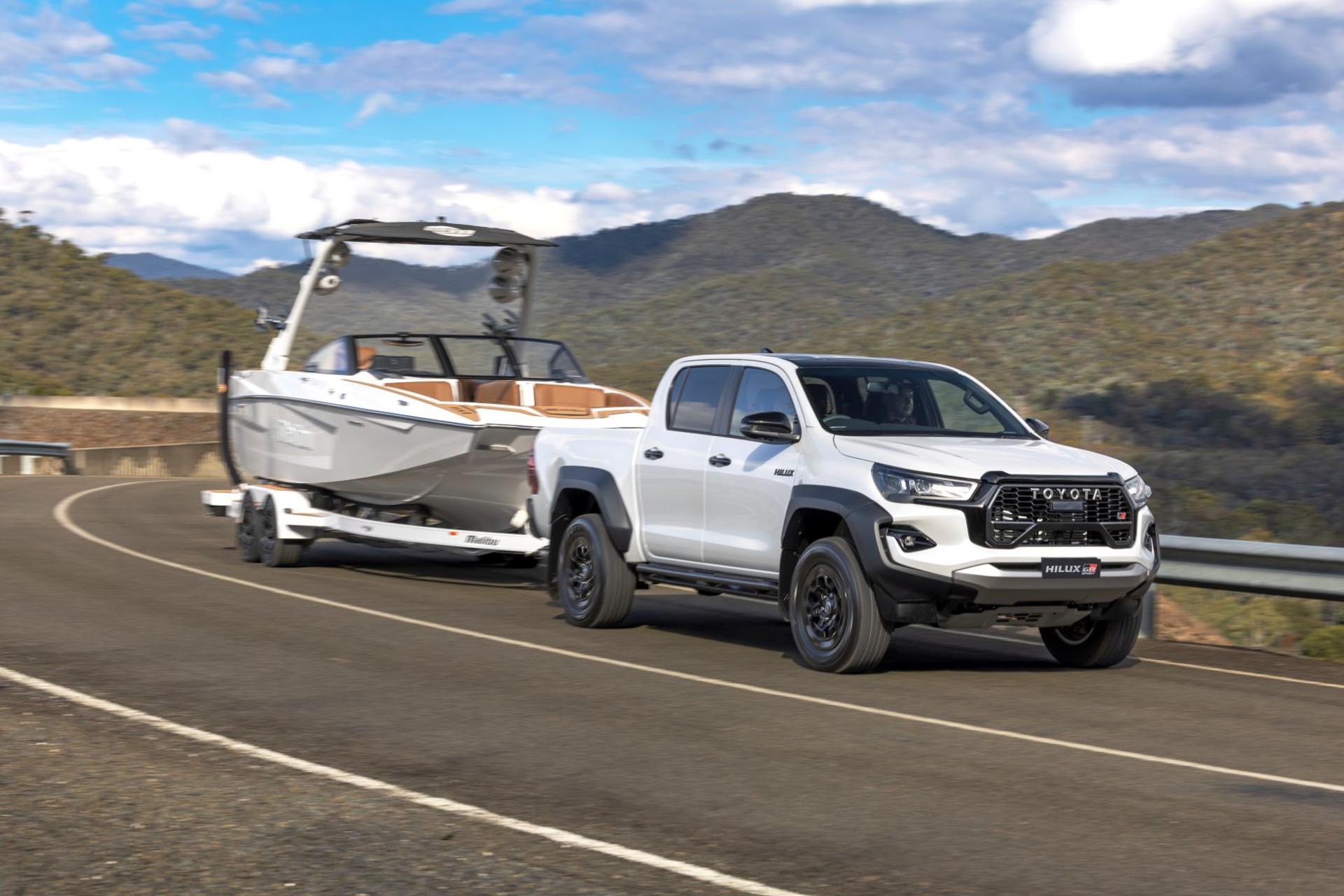
The GVM to GCM "Balancing Act"
This is where many new 4WD owners get caught out. You often cannot maximize both numbers at the same time.
If you load your car right up to its maximum GVM (filling every seat and the roof rack), you might find you no longer have enough "room" left in your GCM to tow a heavy trailer.
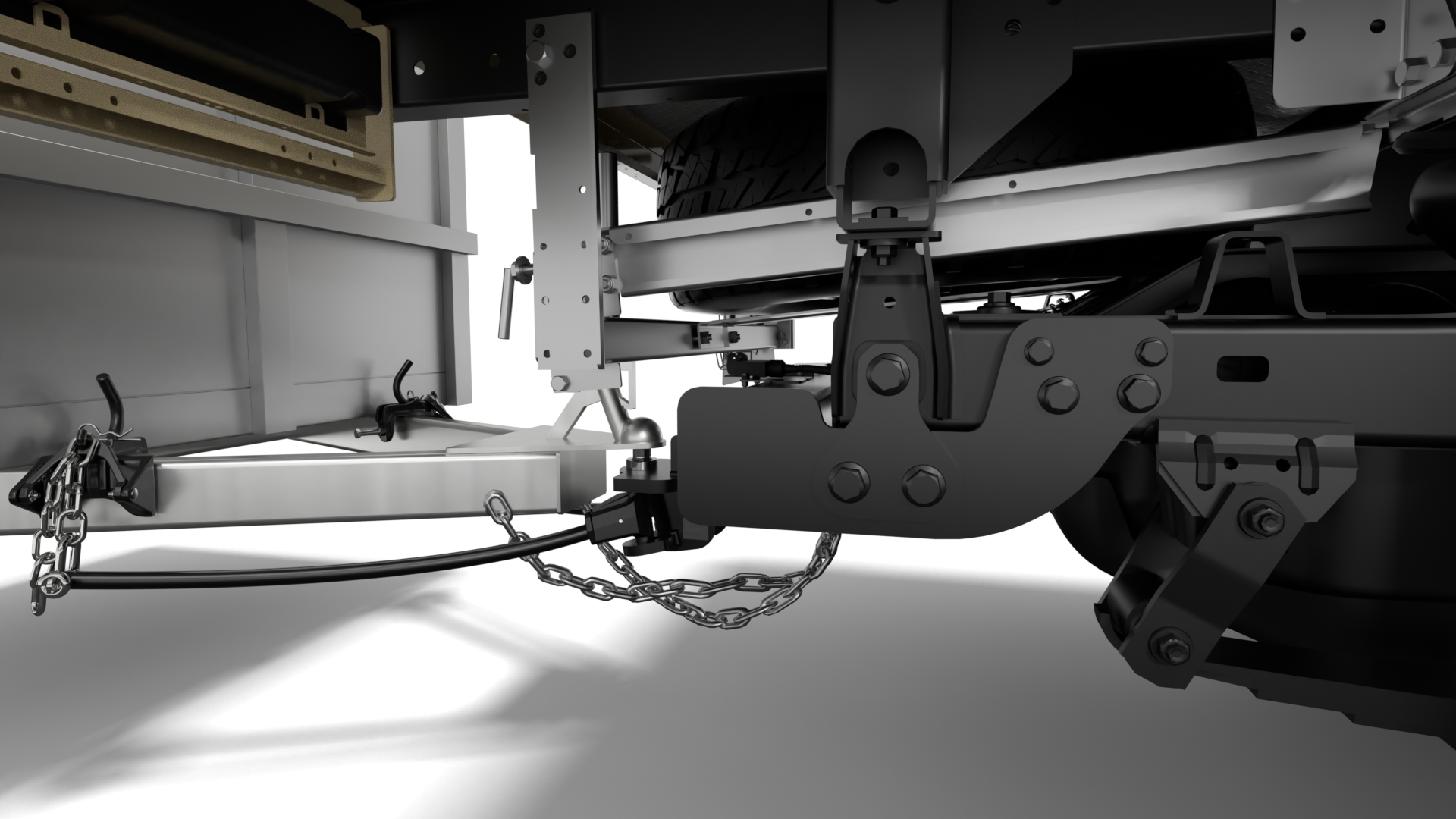
The Rule of Thumb: The heavier your car is, the lighter your trailer needs to be. The heavier your trailer is, the less "stuff" you can carry inside the car.
Why Do These Numbers Matter?
Staying within your weight limits isn’t just a suggestion. It’s a legal requirement.
Here’s why it’s critical for Far North Queensland drivers:
- Safety & Handling: An overloaded vehicle takes much longer to stop and is harder to steer, especially on the winding roads of the Gillies Range or the Captain Cook Highway.
- Insurance: If you are involved in an accident and your vehicle is found to be over its GVM or GCM, your insurance company can—and often will—deny your claim.
- Vehicle Longevity: Towing too much weight puts extreme stress on your Toyota’s engine, transmission, and brakes. Keeping it within the limits ensures your Toyota stays on the road for years to come.
Quick Summary for New Towers
| Gross Vehicle Mass | The heaviest your car can be. | |
| Gross Combined Mass | The heaviest your car + trailer can be. | |
| ATM | Aggregate Trailer Mass | The heaviest your trailer can be. |
Thinking of Upgrading? Watch Your Weight!
Adding accessories is part of the fun of owning a 4WD, but those kilos add up fast.
For example:
- Steel Bull Bar: ~80kg
- Winch: ~45kg
- Roof Racks: ~25kg
- Rear Drawers: ~70kg
If you are interested in upgrading your rig or adding parts like a Toyota Genuine Bull Bar, snorkel, or tow kit, it is vital to calculate how they affect your GVM.
Get a Personalised Quote
The team at Pacific Toyota Cairns can help you navigate these numbers. Whether you want to beef up your protection or increase your utility, we provide Toyota Genuine Accessories designed specifically for your vehicle's limits.
Interested in Upgrading