.png&w=128&q=75)


The Psychology of New Car Smell: Why It Feels So Good

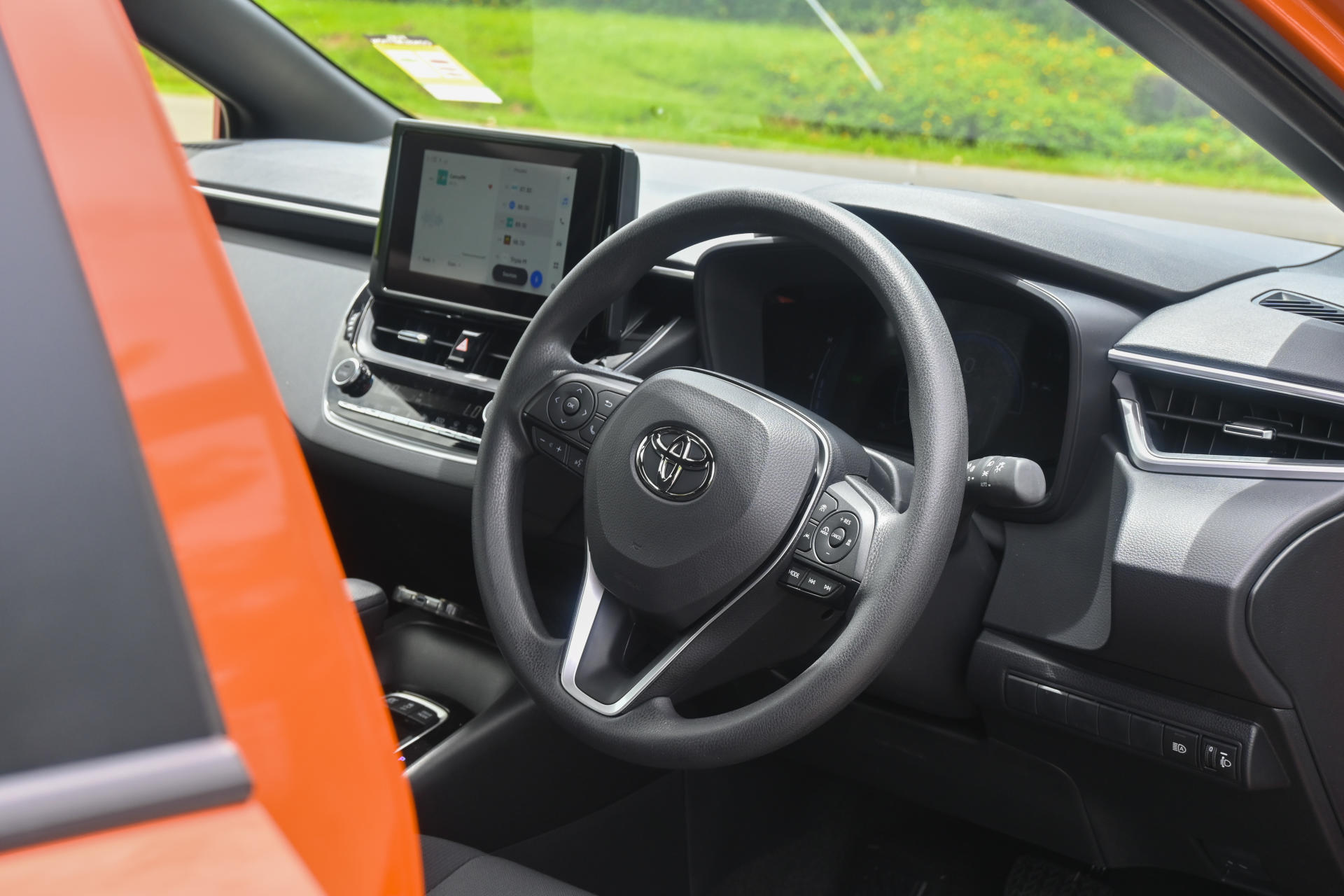
There’s a moment almost everyone remembers: opening the door of a brand‑new car and breathing in that unmistakable new car smell. Clean, fresh, and slightly synthetic, it instantly signals newness, success, and possibility.
But this iconic scent isn’t just a happy accident of manufacturing.
The psychology of new car smell runs deep, tapping into memory, emotion, and consumer behaviour in powerful ways. In fact, automotive brands and dealerships have long understood that smell plays a subtle but influential role in how we perceive vehicles and make purchasing decisions.
So why do we love it so much, and is there anything we should know about what’s actually in that smell?
What Is “New Car Smell,” Really?
Despite the name, new car smell isn’t a single fragrance. It’s a blend of volatile organic compounds (VOCs) released from interior materials such as plastics, adhesives, foams, fabrics, sealants, and treated leather. This release process is known as off‑gassing.
When a car is newly manufactured, these materials begin emitting microscopic chemical vapours into the cabin air. The result is the familiar scent many people associate with freshness and quality. Over time, as off‑gassing slows, the smell naturally fades.
Importantly, the appeal of new car smell isn’t the chemicals themselves; it’s what the scent represents.

Why Smell Is So Powerful in the Brain
Smell is the only sense that travels directly to the brain’s limbic system, which controls emotion, memory, and motivation. Unlike sight or sound, scent bypasses rational thought and triggers emotional responses almost instantly.
This explains why aromas can unlock vivid memories. A phenomenon often referred to as the Proust effect. In the case of new car smell, the scent becomes neurologically linked to moments of excitement, achievement, and personal milestones.
Our brains quickly associate that smell with:
- A sense of reward
- A fresh start or “blank slate”
- Upgrading lifestyle or status
Once that association is formed, the scent alone can recreate those feelings.

New Car Smell and Consumer Psychology
From a behavioural perspective, new car smell acts as a sensory signal of value. Studies and industry observations show that pleasant scents can influence how consumers perceive quality, cleanliness, and even price
In automotive environments, this can:
- Increase emotional engagement during test drives
- Make vehicles feel more premium
- Reinforce trust and comfort in the buying experience
This is why dealerships carefully neutralise unwanted odours in pre‑owned vehicles and often aim to restore a “new‑like” interior aroma. The goal is psychological. Removing reminders of previous ownership so buyers can imagine the car as their own.
Is New Car Smell Toxic?
This is where curiosity often turns into concern.
New car smell is created by VOCs, and some of these compounds, such as formaldehyde, benzene, and toluene. These are widely studied in environmental and health science. At high or prolonged exposure levels, certain VOCs can pose health risks

However, it’s important to keep context in mind:
- Automotive manufacturers must comply with strict safety and emissions regulations
- VOC levels inside new vehicles typically drop significantly within weeks or months
- For most drivers, everyday exposure is short‑term and well within regulatory limits
In simple terms, the smell itself isn’t what’s dangerous.
It’s the concentration and duration of exposure that matter. This is why manufacturers continuously refine materials and ventilation standards, and why some markets actively prefer more neutral interiors.
For drivers who are sensitive to smells, simple steps like airing out the vehicle or using fresh air settings can reduce intensity during the first few weeks.
Why We Miss the Smell When It’s Gone
One reason new car smell feels so special is its temporary nature. As the scent fades, it marks the transition from “brand new” to lived‑in. Psychologically, that fading reinforces how closely the smell is tied to novelty and excitement.
This helps explain why “new car scent” air fresheners are so popular. People aren’t trying to recreate chemistry, they’re trying to recreate a feeling.

It’s Not Just a Smell — It’s an Emotion
The psychology of new car smell shows us that buying a vehicle is never just a rational decision.
It’s emotional, sensory, and symbolic. That first inhale represents optimism, achievement, and possibility.
While the scent itself may fade, the emotional memory often lasts much longer. Shaping how we remember the purchase, the brand, and the moment we first took the keys.
That is why new car smell remains one of the most powerful and underestimated elements of the automotive experience.
More Blogs For You


← Swipe →